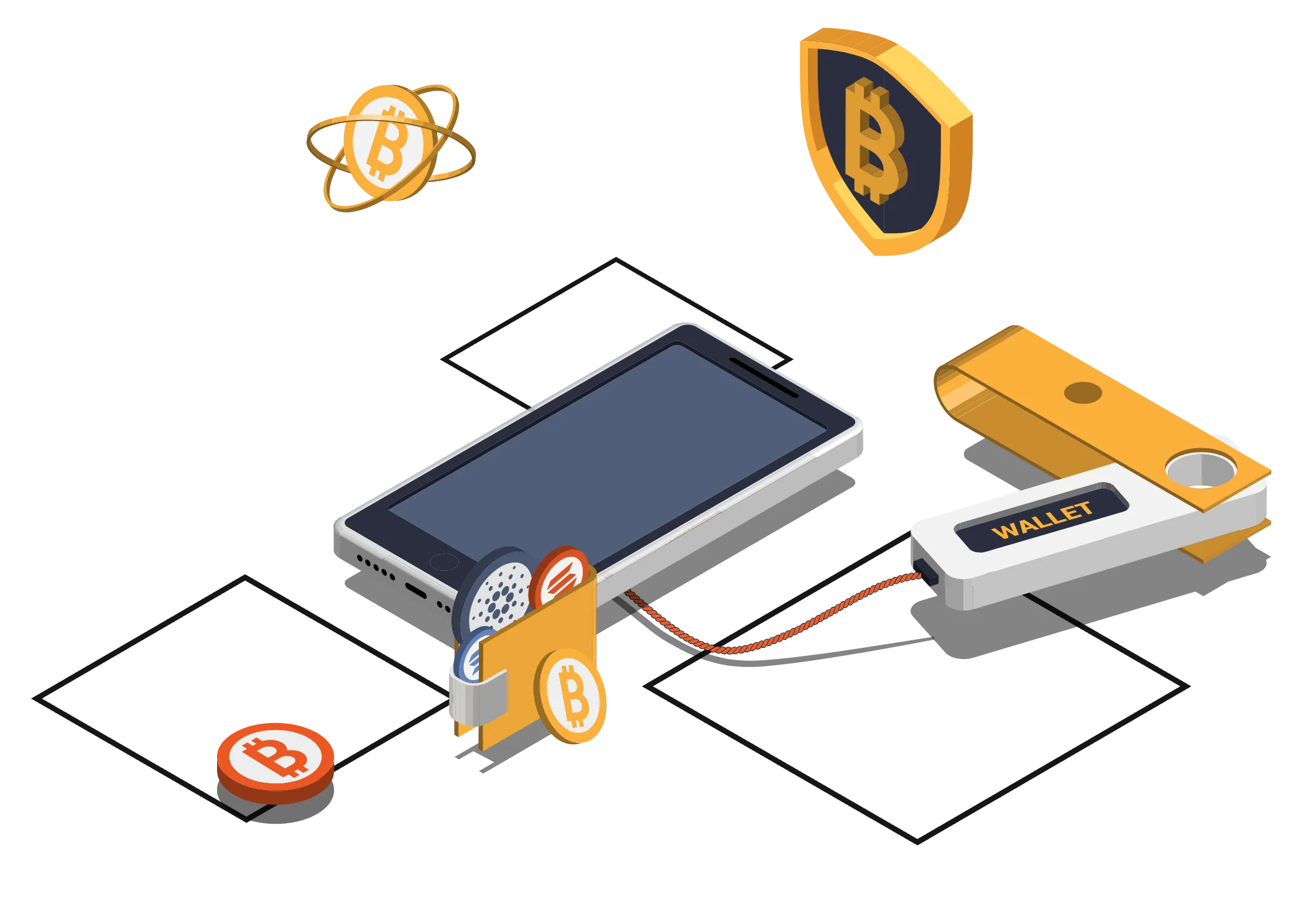

No registration
No email, login or remote profile. The wallet starts on the device where you launch it.
A local bitcoin wallet with no account layer.
Keys are generated on your machine, the wallet file stays on disk, and backups use seed words plus the wallet date. Install it, verify it, and keep the custody boundary clear.
No custody theater. No web account. Just a local wallet file, open code, and a tool that behaves like bitcoin software should.
overview
Bisq Wallet keeps the operational model narrow: create the wallet locally, encrypt the file, write down the restore material and verify releases before you install them.
No email, login or remote profile. The wallet starts on the device where you launch it.
Your wallet data is written to local storage and encrypted after you set a password.
There is no service account sitting between you and the wallet file on your computer.
The Bisq codebase is public, AGPL-licensed and distributed with signed release artifacts.
custody model
The wallet is created on first launch and the private material stays on the machine.
A password protects the wallet file at rest against casual copying and inspection.
Restoration needs the seed words and wallet date so chain scanning starts in the right place.
Installers should be checked against the published hash and PGP signature before use.
downloads
Release files for this site are reserved under /downloads. When builds are published, verify the SHA-256 hash and signature before opening the wallet.
faq
Yes. Bisq is open-source software under the AGPL-3.0 license.
No. Wallet creation happens locally; there is no account, email or hosted recovery service.
On your computer, inside the local Bisq data directory. A password encrypts the file at rest.
Restore with the seed words and wallet date. Keep both offline before you fund the wallet.
Check the SHA-256 hash and verify the PGP signature against the published maintainer key.
No. This page focuses on the local wallet side, not a hosted account or custody product.
community
Bisq has public rooms, forums and repositories. Use the official project channels for source code, support conversations and release context.